Automation is evolving fast, and traders now expect tools that not only execute but also think ahead. AI-enhanced signals are quickly becoming the new standard for users who want more accuracy, faster responses, and seamless integration inside Posting Trader.
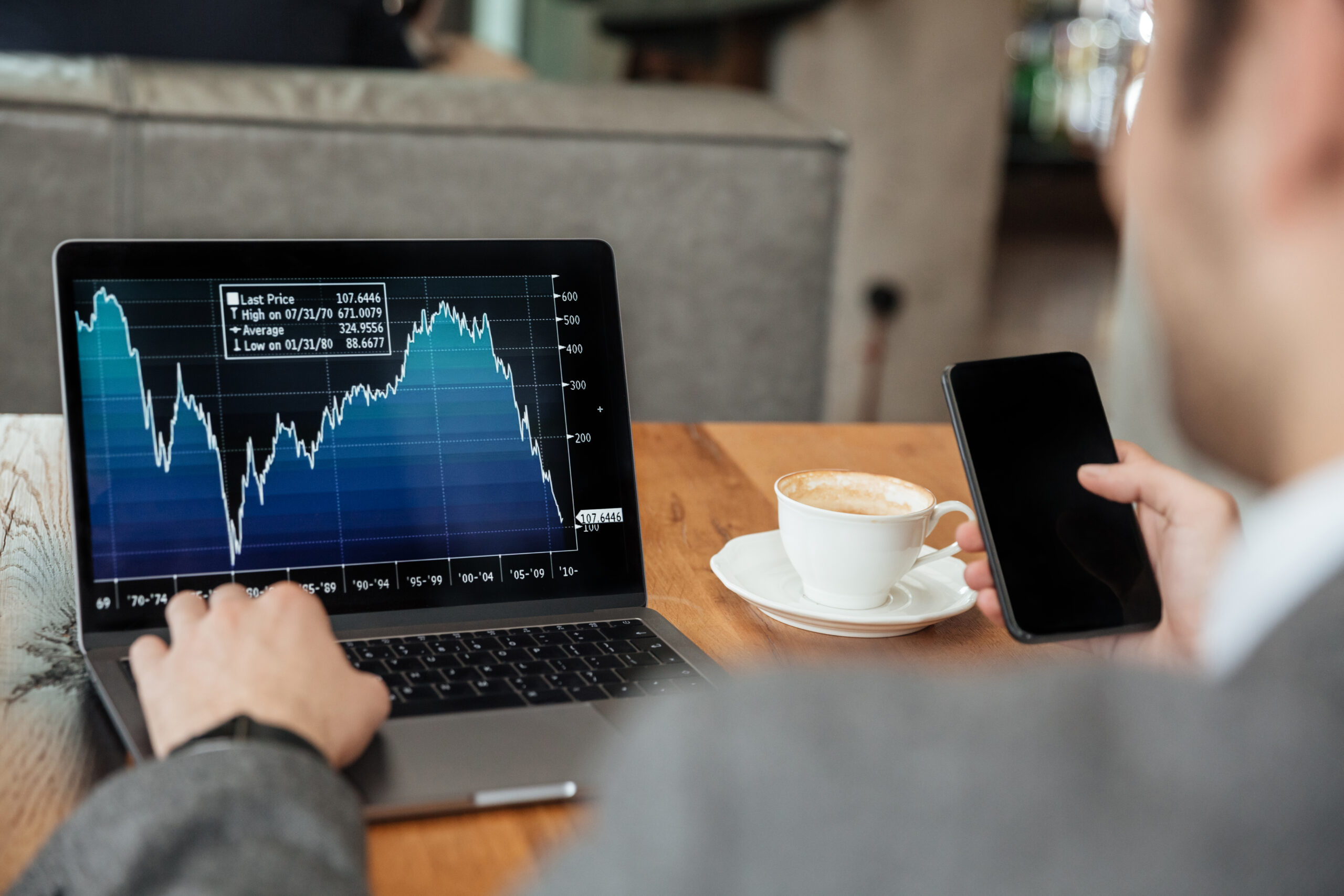
How Artificial Intelligence Is Transforming Modern Trading Workflows
Financial markets have always evolved alongside technology. From the early days of open outcry trading floors to electronic trading platforms and algorithmic systems, every technological advancement has reshaped how traders analyze markets and execute strategies.
Today, we are witnessing another major transformation: the integration of artificial intelligence into trading workflows.
Artificial intelligence (AI) is rapidly changing how traders interact with financial markets. Instead of manually scanning charts for patterns, traders are increasingly relying on machine-assisted analysis and signal generation. AI models are capable of analyzing vast amounts of historical and real-time data, identifying patterns that might be invisible to the human eye.
This shift is not just improving the accuracy of trading signals—it is also transforming the daily routine of traders. By combining AI-powered signal detection with automation platforms like Posting Trader, traders can move from market analysis to trade execution almost instantly.
In this article, we will explore how artificial intelligence is transforming trading, why AI-driven signals are becoming more popular among traders, and how automation platforms like Posting Trader are enabling a faster, more efficient trading workflow.
The Evolution of Technology in Trading
Technology has always played a crucial role in financial markets. Over the last few decades, several technological milestones have significantly influenced how traders operate.
First came electronic trading platforms, which replaced manual order placement with digital systems. This innovation made trading faster, more transparent, and more accessible to retail traders.
Next came algorithmic trading, where traders began using pre-programmed strategies to execute trades automatically based on specific rules.
Today, we are entering the era of AI-assisted trading.
Unlike traditional algorithms that rely on fixed rules, AI systems can analyze data dynamically, adapt to changing market conditions, and detect patterns across massive datasets.
Artificial intelligence introduces a new layer of intelligence to trading strategies—one that can continuously learn, adapt, and improve over time.
Why Traders Are Turning to AI
The financial markets generate enormous amounts of data every second. Price movements, volume changes, volatility shifts, and macroeconomic indicators all contribute to the complexity of market behavior.
For human traders, analyzing this amount of information manually can be overwhelming.
Artificial intelligence addresses this challenge by processing large volumes of data quickly and efficiently. AI models can examine historical patterns, analyze correlations between assets, and identify signals that might otherwise go unnoticed.
This capability provides traders with several advantages:
Faster Market Analysis
AI models can analyze thousands of data points within seconds. What might take a trader hours to review manually can be processed almost instantly.
Pattern Recognition
Artificial intelligence excels at identifying patterns within complex datasets. AI systems can detect subtle shifts in market behavior that traditional indicators might miss.
Real-Time Adaptation
Unlike static strategies, AI models can adapt as new market data becomes available. This flexibility allows traders to respond more effectively to changing market conditions.
Data-Driven Decision Making
AI-generated signals are based on objective analysis rather than emotional reactions or subjective interpretation.
These benefits are driving the rapid adoption of AI tools across the trading community.
The Role of Trading Platforms in AI Workflows
Despite the rise of artificial intelligence, traditional trading platforms still play an essential role in market analysis.
Platforms like TradingView and TrendSpider remain leaders in technical analysis thanks to their powerful charting tools and customizable alert systems.
These platforms allow traders to:
- Analyze price charts
- Apply technical indicators
- Build custom strategies
- Create automated alerts
- Monitor multiple markets simultaneously
Alerts are particularly important because they serve as the bridge between market analysis and trade execution.
For example, traders can configure alerts to trigger when:
- Price breaks a support or resistance level
- Moving averages cross
- RSI enters an overbought or oversold zone
- A custom strategy condition is met
Once triggered, these alerts notify traders of potential trading opportunities.
However, when artificial intelligence is layered on top of these platforms, the level of signal precision can increase significantly.
AI-Enhanced Signal Detection
Artificial intelligence enhances traditional technical analysis by analyzing far more variables than a human trader could realistically process.
AI models can evaluate:
- Historical price movements
- Volatility patterns
- Market sentiment
- Cross-asset correlations
- Liquidity changes
- Order flow dynamics
By analyzing these factors simultaneously, AI systems can identify early signals of potential trend changes or breakout conditions.
For example, AI models may detect subtle shifts in volatility before a major market move occurs. They may also recognize patterns in price behavior that historically precede reversals or momentum surges.
These insights can significantly improve the quality of trading signals.
Instead of relying on a single indicator, AI-driven systems can evaluate multiple data sources at once and generate signals based on comprehensive market analysis.
Moving From Signals to Execution
While AI-driven signals provide valuable insights, signals alone are not enough.
Traders must still execute trades quickly and accurately once a signal appears.
This is where automation becomes essential.
Without automation, traders must manually review alerts and place orders through their broker. This process introduces delays that can affect trade performance.
In fast-moving markets, even a delay of a few seconds can result in missed opportunities or unfavorable entry prices.
Automation eliminates this delay by allowing signals to trigger trades automatically.
How Posting Trader Enables Automated Execution
Posting Trader acts as the bridge between signal generation platforms and broker execution systems.
When a signal is generated on a platform like TradingView or TrendSpider, the alert can be sent directly to Posting Trader through a webhook.
Posting Trader then processes the signal and sends the appropriate order to the connected broker.
This entire process occurs within seconds.
The workflow typically follows these steps:
- AI model or strategy generates a signal.
- Trading platform triggers an alert.
- Alert message is sent to Posting Trader.
- Posting Trader converts the signal into an order.
- The order is executed by the broker.
This automated pipeline allows traders to move from signal detection to trade execution almost instantly.
The Power of No-Code Automation
One of the most significant advantages of Posting Trader is its no-code automation infrastructure.
In the past, traders who wanted to automate their strategies had to build custom software that connected trading signals to broker APIs.
This process required programming knowledge and ongoing system maintenance.
Posting Trader removes this technical barrier.
Instead of writing code, traders simply configure their alerts and connect their brokers through the platform.
Posting Trader handles the technical complexity behind the scenes, allowing traders to focus on strategy development rather than infrastructure management.
This accessibility is helping bring automation tools to a broader audience of traders.
Reducing Emotional Trading
One of the biggest challenges traders face is managing emotions.
Fear, greed, and hesitation can influence decision-making and lead to inconsistent trading behavior.
For example:
- Traders may hesitate to enter a trade even when their strategy signals an opportunity.
- They may exit winning trades too early due to fear of losing profits.
- They may chase trades after large price movements due to fear of missing out.
AI-driven signals help reduce emotional decision-making by providing objective, data-based insights.
When signals are generated by artificial intelligence models, traders can rely on statistical analysis rather than subjective judgment.
Automation further reinforces discipline by executing trades automatically according to predefined rules.
This combination of AI signals and automated execution creates a more structured and consistent trading process.
Improving Consistency in Trading Strategies
Consistency is one of the most important factors in successful trading.
Even a well-designed strategy can produce inconsistent results if trades are not executed properly.
Automation helps ensure that every trade follows the same rules.
When a signal is triggered, Posting Trader executes the trade according to the strategy parameters without hesitation or deviation.
This consistency helps traders maintain discipline and accurately evaluate the performance of their strategies.
It also reduces the risk of human errors such as entering incorrect order sizes or selecting the wrong asset.
Saving Time for Strategy Development
Another major benefit of AI-driven automation is the time it saves for traders.
Traditional trading workflows often require traders to spend hours monitoring charts and waiting for signals.
This constant monitoring can be exhausting and inefficient.
With AI-assisted signal detection and automated execution, traders no longer need to watch markets continuously.
Instead, they can focus their time on higher-value tasks such as:
- Improving strategy logic
- Conducting backtests
- Analyzing performance metrics
- Exploring new market opportunities
By shifting their focus from monitoring markets to refining strategies, traders can improve the overall quality of their trading systems.
Scaling Trading Strategies with Automation
Automation also allows traders to scale their strategies more effectively.
Manual trading limits how many markets or assets a trader can monitor simultaneously.
AI-driven systems can analyze multiple markets at once, generating signals across a wide range of assets.
When combined with Posting Trader’s automation infrastructure, these signals can be executed across several brokers and markets simultaneously.
This scalability allows traders to expand their strategies without increasing their workload.
Building a Modern Trading Infrastructure
The combination of AI-driven analysis and automated execution represents the foundation of modern trading infrastructure.
A typical AI-powered trading workflow might look like this:
- AI models analyze market data and generate insights.
- Trading platforms like TradingView or TrendSpider generate alerts.
- Alerts are sent to Posting Trader through webhooks.
- Posting Trader routes orders to connected brokers.
- Trades are executed automatically.
This streamlined system allows traders to operate with greater speed, efficiency, and precision.
The Future of AI in Trading
Artificial intelligence is still in the early stages of its impact on financial markets.
As AI models become more advanced, their ability to analyze complex market dynamics will continue to improve.
Future developments may include:
- AI models that adapt strategies automatically
- Real-time sentiment analysis from global news sources
- Predictive volatility models
- Advanced portfolio optimization algorithms
These innovations will further enhance the capabilities of AI-driven trading systems.
Automation platforms like PostingTrader will play an essential role in connecting these intelligent systems with real-world trade execution.
Final Thoughts
Artificial intelligence is transforming the way traders analyze markets and execute strategies.
By processing vast amounts of data and identifying patterns that humans might overlook, AI models are enabling more precise and data-driven signal generation.
When these AI-generated signals are combined with automation platforms like Posting Trader, traders gain the ability to move from signal detection to execution in seconds.
This integration creates a faster, more efficient trading workflow that reduces emotional decision-making and improves consistency.
Platforms like TradingView continue to provide powerful tools for market analysis, while Posting Trader ensures that signals generated by these platforms can be executed instantly through automated broker connections.
The result is a modern trading infrastructure that allows traders to operate more efficiently in today’s fast-moving financial markets.
As artificial intelligence continues to evolve, the combination of AI-powered analysis and automated execution will likely become the standard approach for professional traders.
Those who adopt these technologies early will be better positioned to build scalable, disciplined, and data-driven trading strategies for the future.